our supplements
Approval doesn’t happen by accident—it’s built.
At ProScope, we specialize in turning incomplete or underpaid estimates into fully supported claims. We identify every gap in the scope, document it thoroughly, and support it with code requirements, manufacturer data, and real-world pricing.
From initial review to final payment, we stay involved to push the claim forward—handling revisions, addressing pushback, and making sure the scope reflects what it actually takes to do the job right.
From Revision to Approval
~
From Revision to Approval ~
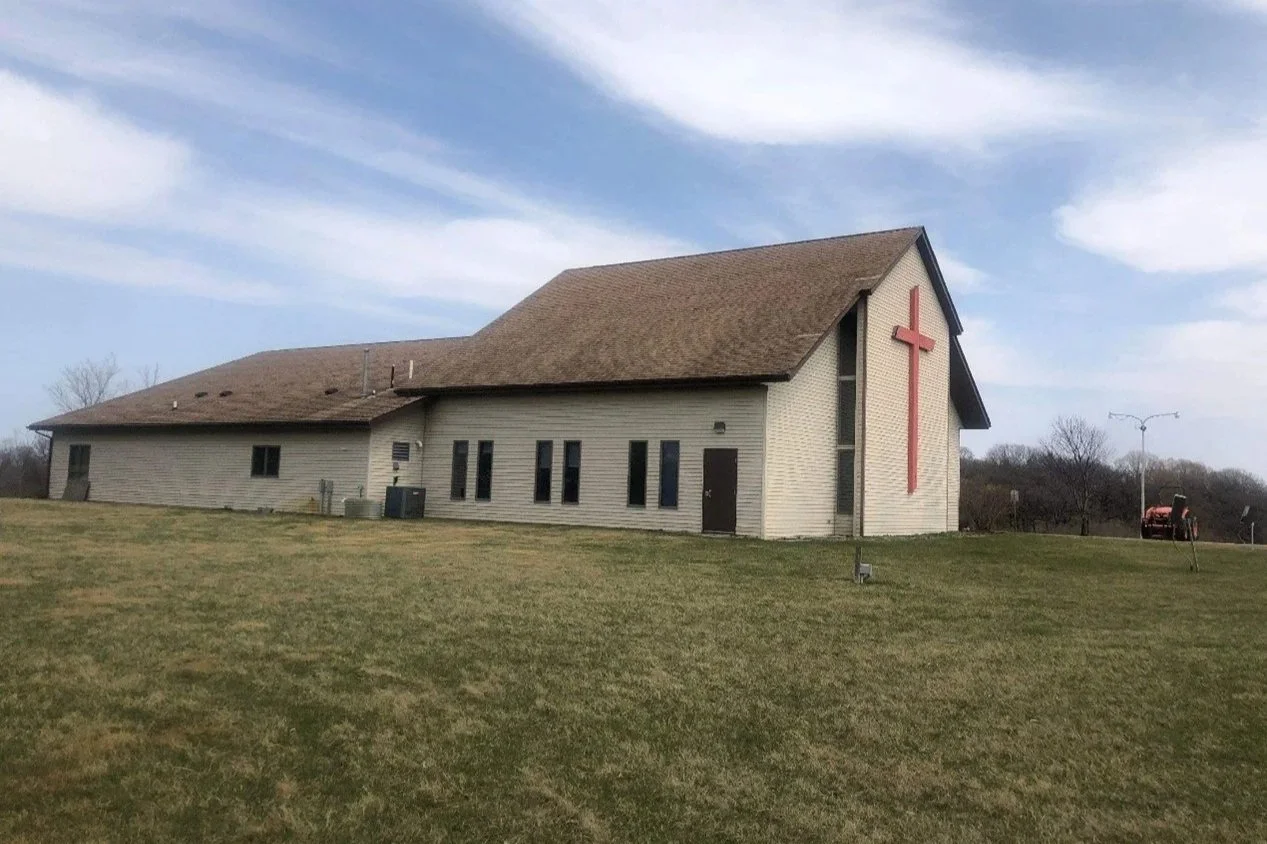
BEFORE
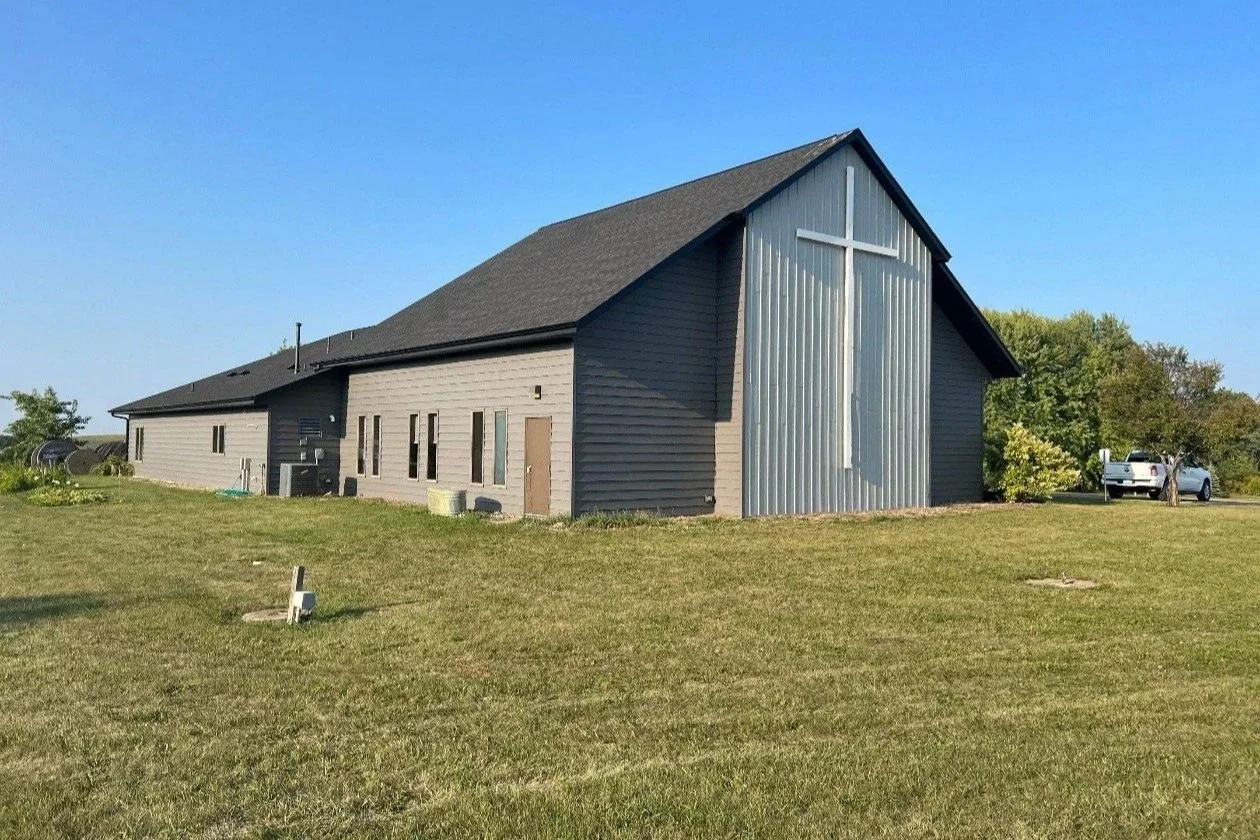
AFTER
Challenge
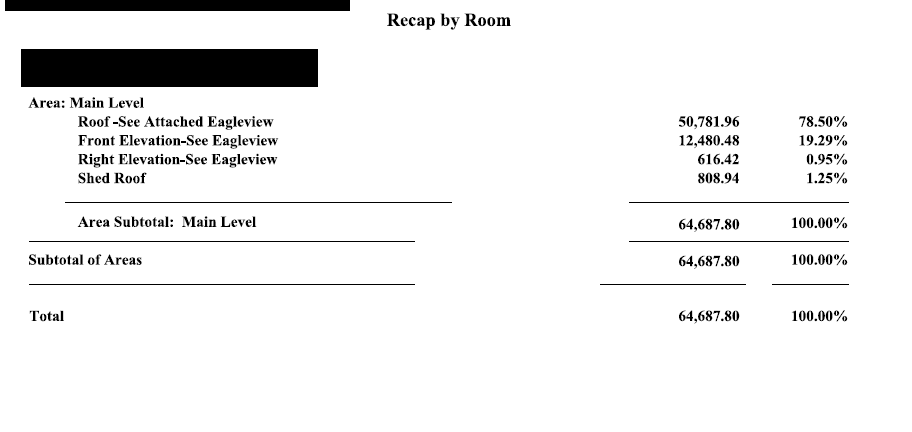
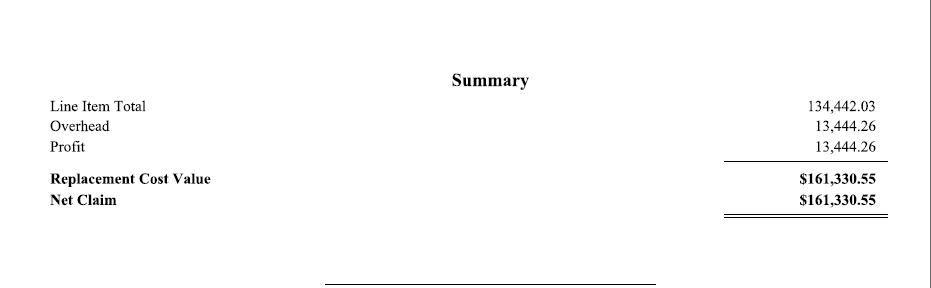
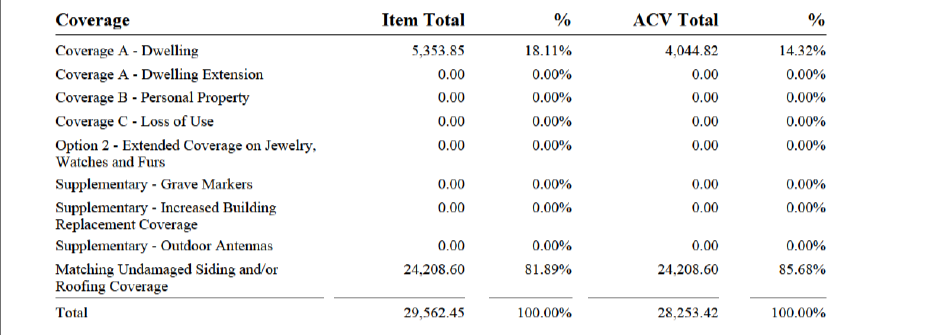
The carrier initially limited the roof to repairs of a few wind-damaged shingles and only approved one siding elevation, while excluding key code items and denying decking and full siding replacement.
Approach
Documentation showed the roof system could not be properly repaired due to multiple layers and nailing failure, requiring full replacement to meet code. Decking was proven to be functionally compromised—not age-related—because it would not hold nails during installation.
For siding, the carrier stated the policy did not owe for matching. In response, documentation confirmed the original siding was discontinued and no comparable product was available. Minnesota matching standards and supporting documentation were used to demonstrate that partial replacement would not result in a reasonably uniform appearance, justifying full siding replacement.
Result
The full supplemented scope was approved as submitted, including all code-required items, decking, and full siding replacement—resulting in full payment without revisions from the carrier.

Real scopes, real documentation, and real results that made it through to final payment.
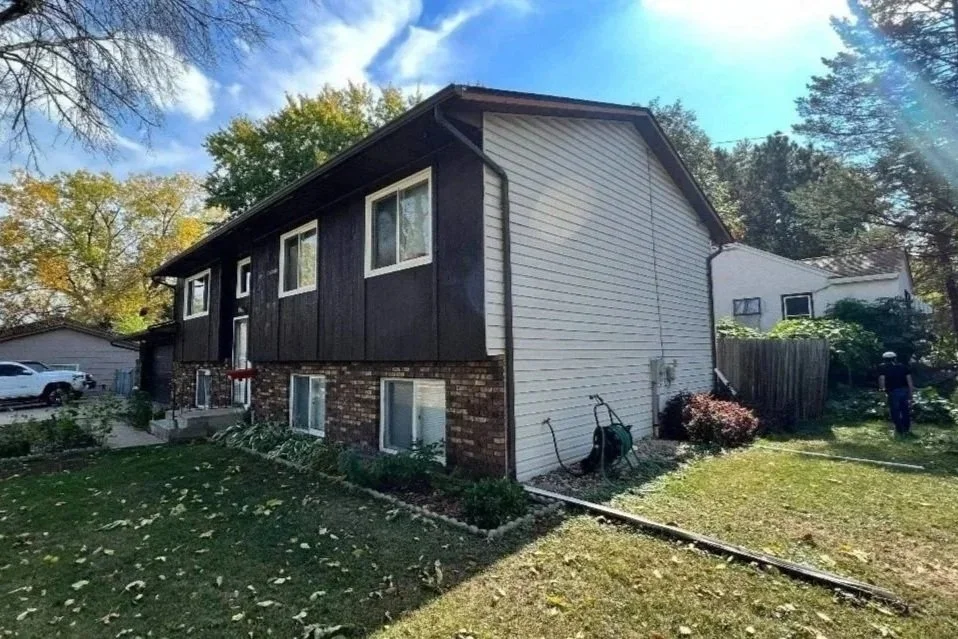
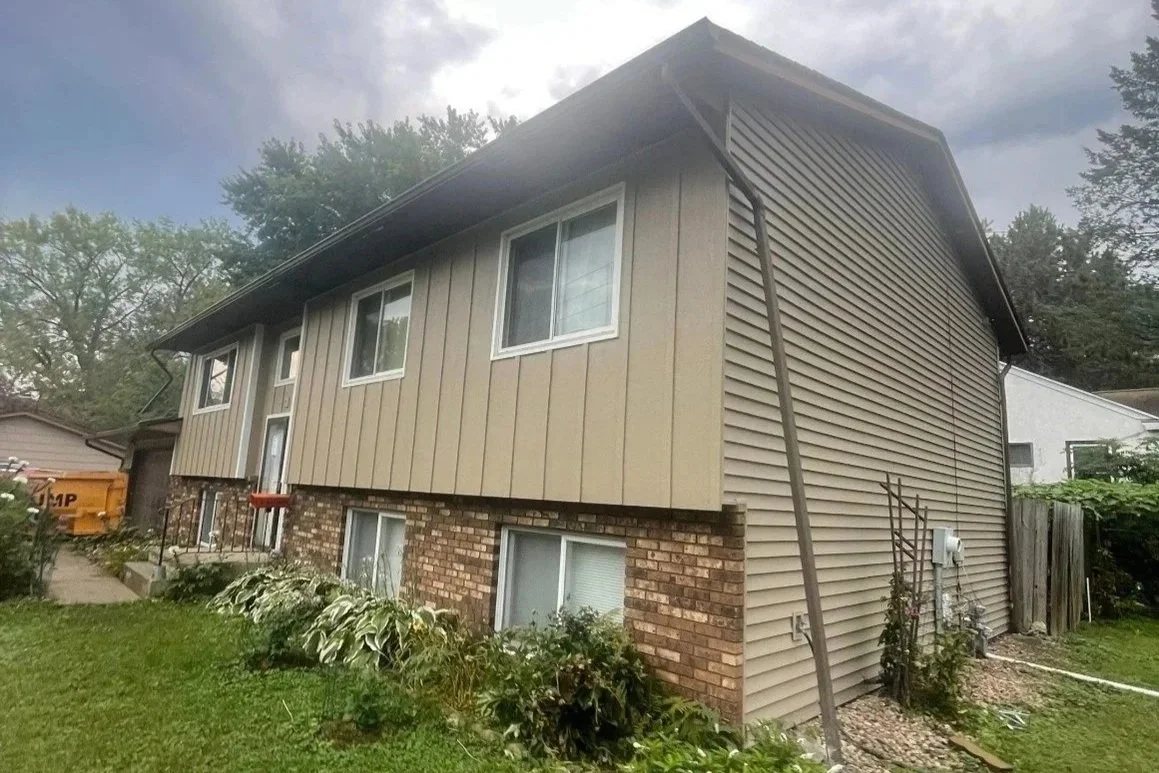
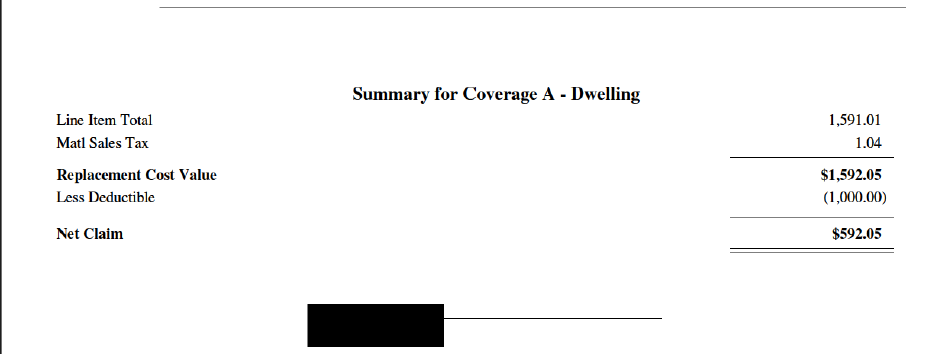
On this project, the carrier initially allowed only for the detach and reset of the right elevation wall of vinyl siding, which had become loose due to wind damage.
It was identified that the siding was over 20 years old and not in a condition to withstand a proper detach and reset. Additionally, even if a full detach and reset were attempted, performing the work correctly in accordance with manufacturer specifications and code requirements would result in significantly higher labor costs. The carrier indicated they were willing to review this cost.
A detailed estimate was then prepared outlining the full scope required to properly complete a detach and reset. This included documenting the labor-intensive process of labeling each panel, creating a suitable staging surface, and removing and reinstalling each piece in its exact original position.
Supporting documentation was also provided, including communication with the local municipality confirming that this method would be required to meet code and manufacturer standards. Due to expansion and contraction over time, siding panels must be reinstalled in their exact original locations to maintain proper fit and function.
This documentation demonstrated that a full detach and reset was not a cost-effective or reliable solution, particularly given the high likelihood of material breakage during the process—potentially resulting in both detach/reset and replacement costs.
Based on this, the carrier first approved full wall replacement and ultimately agreed to full siding replacement due to lack of available matching materials.